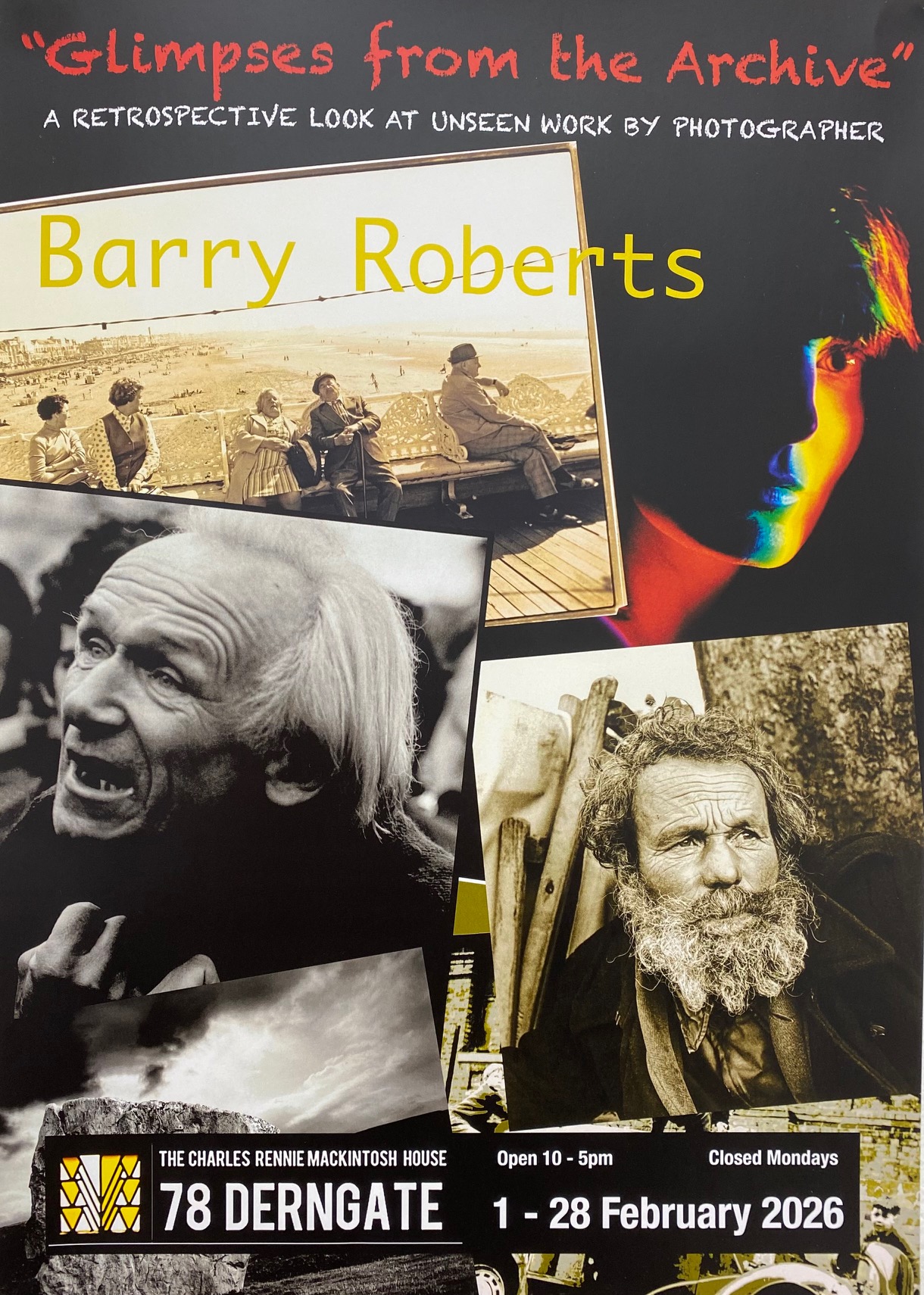
Barry Roberts: Glimpses through the Archive
78 Derngate Northampton, Northamptonshire, NN1 1UHPhotography from around the world; including a prize drawer to win a framed print of your choice! Ends May

Photography from around the world; including a prize drawer to win a framed print of your choice! Ends May
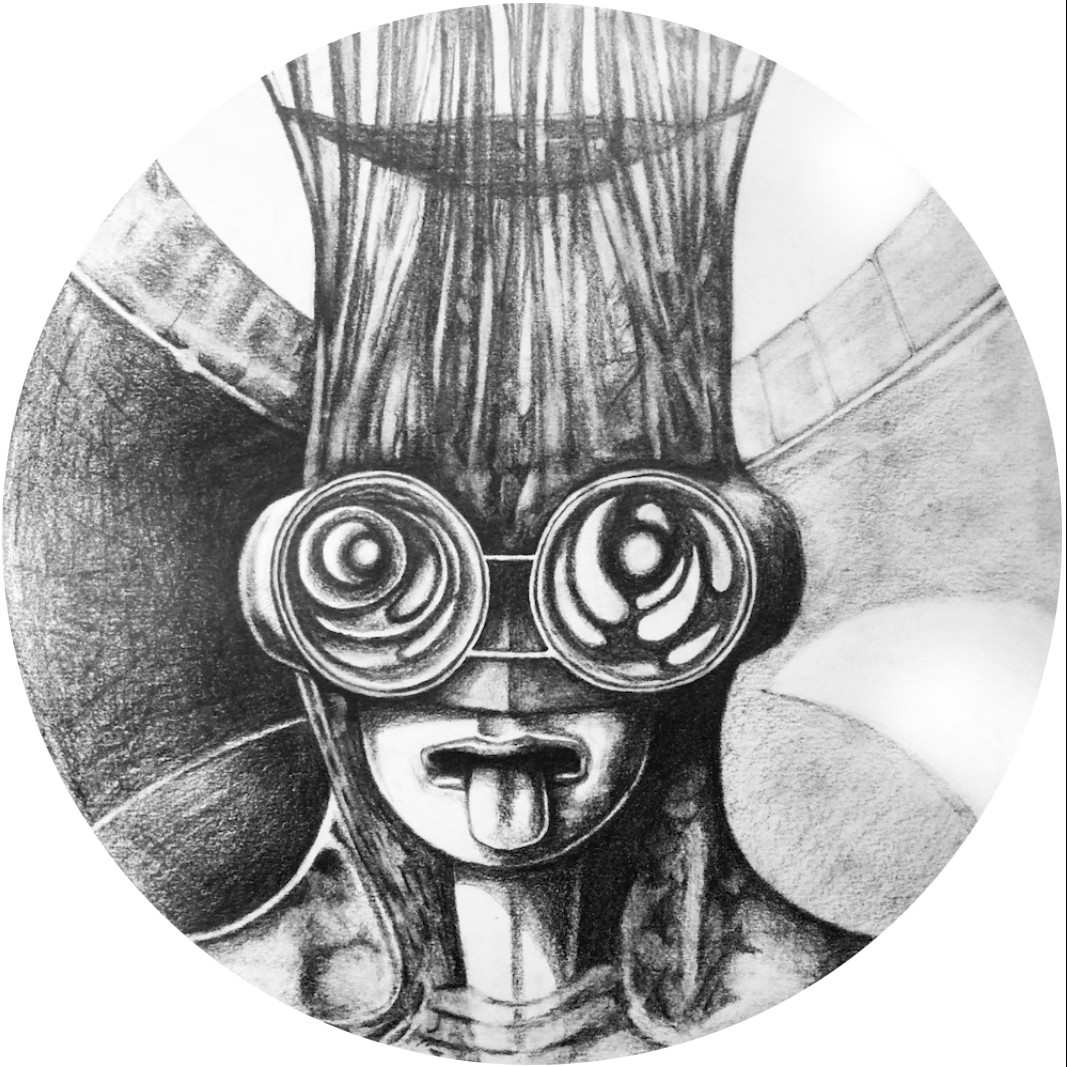
We are delighted to host two much-travelled contemporary artists, Piero Serra & Simington who will be displaying their work in the Barwell Room from Tuesday March 10 th to the end of May. With very different styles and techniques, the two friends chose to collaborate on this exhibition entitled ‘Architectural Heads/Flower Heads’. Serra, who trained as an architect, was born in Northampton. He shows us his extraordinary drawings which were partially inspired by architectural forms soon after he moved to Berlin, where he still lives. Serra who trained as an architect, was born in Northampton. Simington’s work shows us constructed composite images, which can be made up of multiple layers, to create worlds which take on a life of their own. Liam was born in Scotland, has lived in both Japan and Egypt and now resides in Northamptonshire. House and Galleries are open Tuesday to Sunday 10am – 4.30pm. A small entrance fee applies for visits to the heritage house but entry to all exhibitions is free.
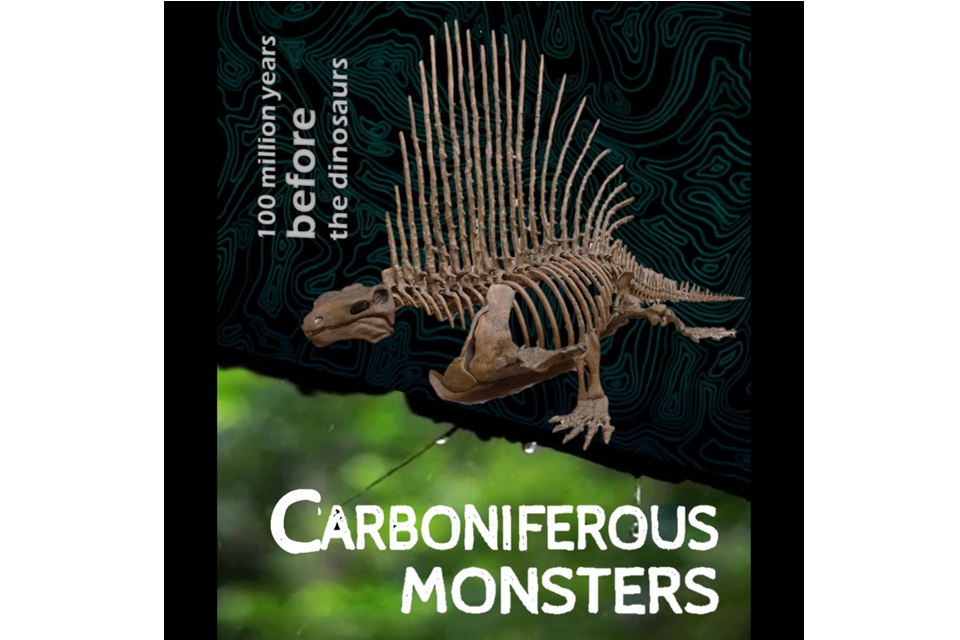
Step back to the Carboniferous period, 100 million years before the dinosaurs. Northampton Museum & Art Gallery Saturday 21 February - Sunday 7 June 2026 Visit tropical forests and swamps teeming with bizarre and ferocious ancient monsters, some of which had larger teeth than T. rex. Meet the dinosaurs' distant ancestors, the very first reptiles, the largest creepy-crawlies ever to live, and prehistoric animals unlike anything you've ever seen before! A must-see for prehistoric monster fans of all ages!
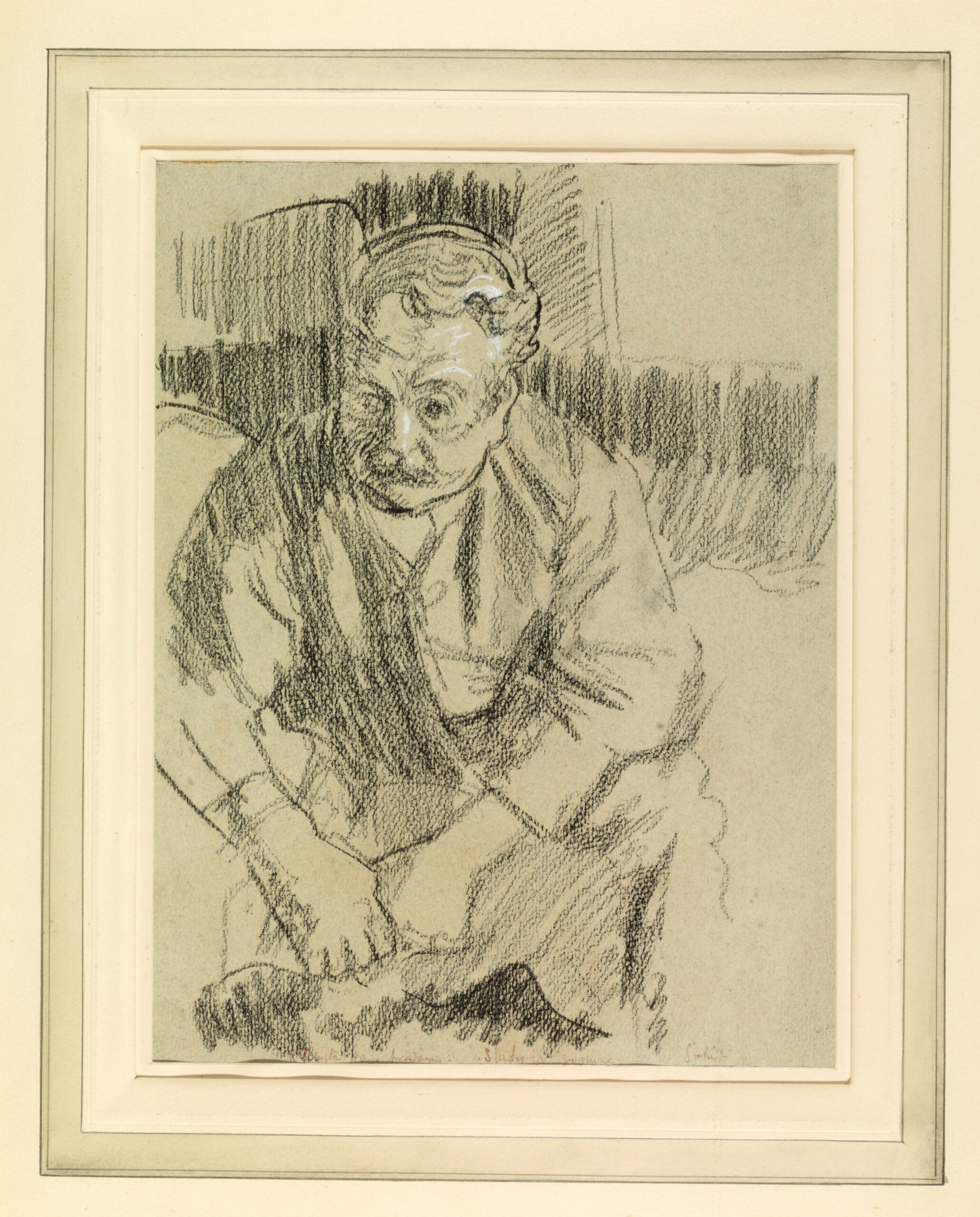
An exhibition of drawings from the Northampton Museums & Art Gallery collection. This exhibition explores drawing as a fundamental artistic language, presenting preparatory sketches and finished works that reveal how ideas take shape on paper. Through the delicate studies of Henry Moore, the atmospheric sketches of Walter Sickert, the imaginative designs of Sir Edward Burne Jones, and the expressive drawings of Clare Abbatt, amongst others, visitors are invited to consider drawing not merely as a preliminary step but as an art form in its own right. The works on display highlight how artists across different periods and practices use line, tone, and observation to experiment, problem solve, and refine their vision. Together, they celebrate drawing’s enduring role as a tool for exploration, invention, and creative thinking.
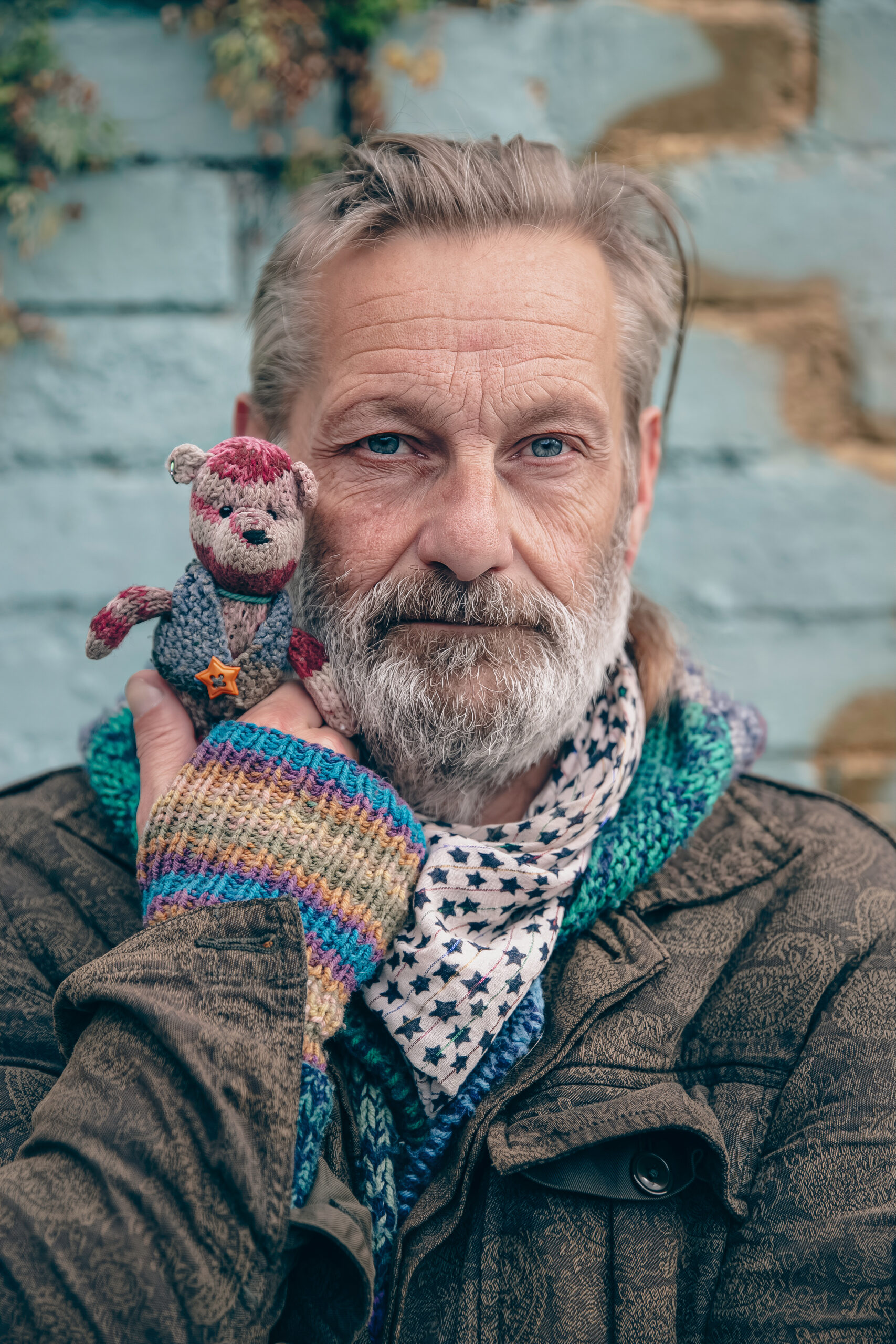
Semilong Blooms by Jack Savage is a photographic portrait series documenting some of the people behind the Semilong Garden Project, a grassroots community initiative established by Louise Troy. Louise formed a community constitution of committed volunteers to transform the derelict space. The space was originally filled with litter and graffiti tarnished the walls. The series highlights some of the residents, volunteers, and families who helped bring this project to life, transforming a neglected strip of Northampton into a thriving space for creativity, connection, and community. Each portrait celebrates the individuals whose collective effort turned overlooked land into a place of pride, joy, and shared ownership.
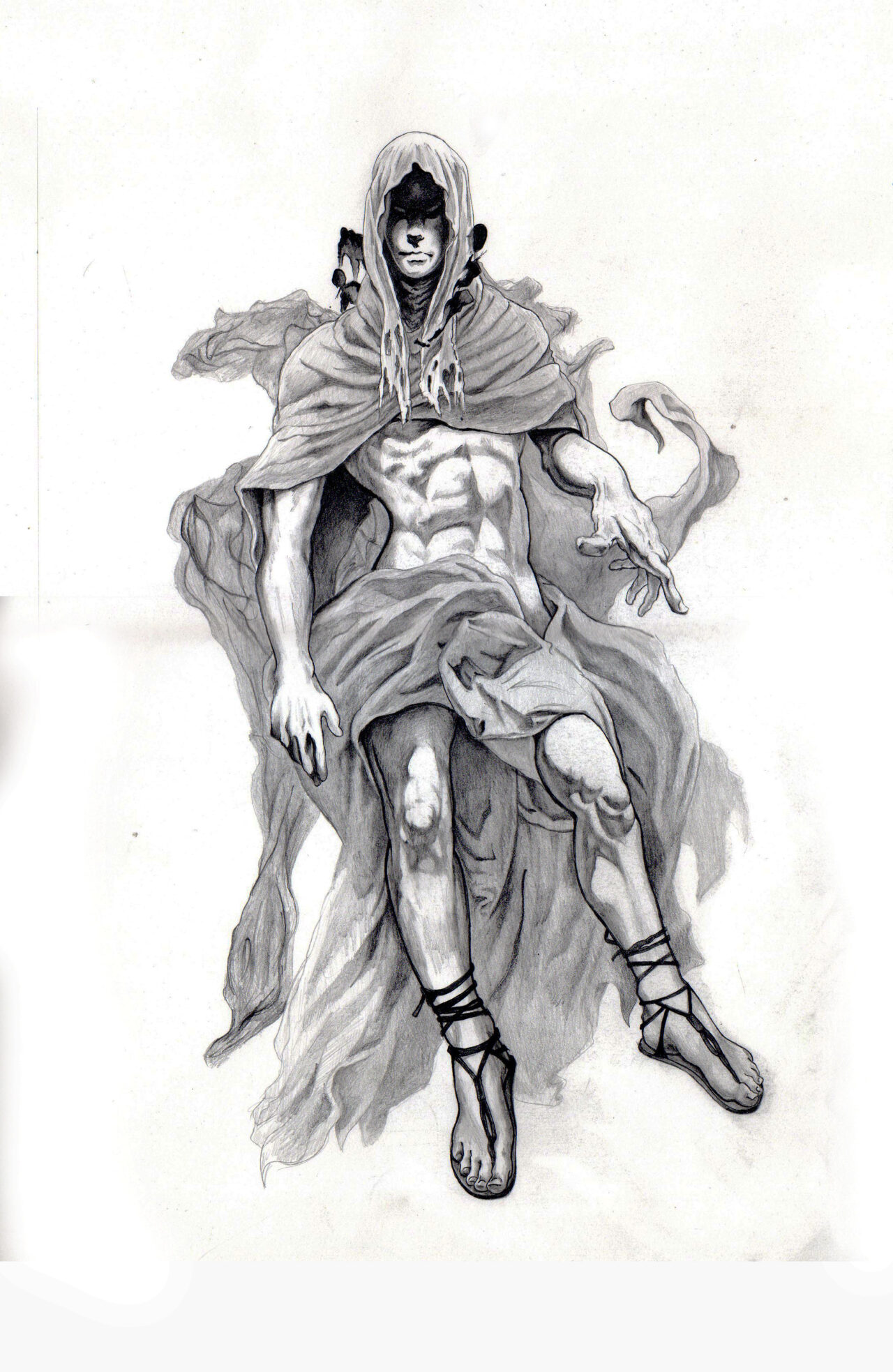
This Exhibition explores the similarities between fine art and comics and how they are produced. It will explain the process of how comics are created and examine the common elements from fine art; the drawing, the painting and the poetry. It will also exhibit a story of epic proportions without superheroes, just ordinary people.
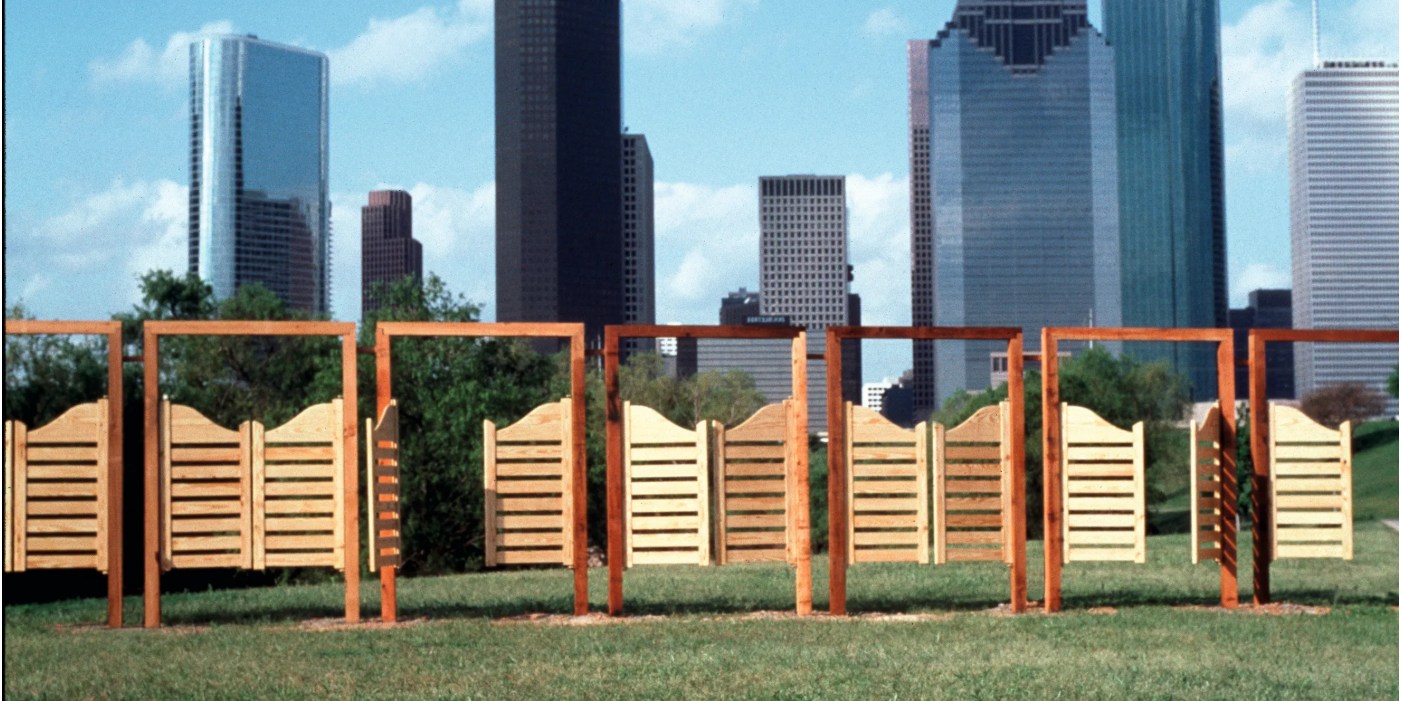
Arts Collective launches its new gallery programme with an exhibition revisiting the pioneering work of British conceptual artist Rose Finn-Kelcey, curated by Emer Grant. This marks the first presentation of the artist’s work in her hometown of Northampton. Featuring photographic, installation and video works loaned from national collections and archives, the exhibition recontextualises Finn-Kelcey’s groundbreaking practice through architectural space and coded forms. It considers how formal systems and power structures shape experience through architecture, language, ritual and atmosphere. Exhibited publicly for the first time since its original installation, Bar Doors (1991) captures architectural thresholds, foregrounding moments of passage between spaces. The photographic documentation of Finn-Kelcey’s site-specific installation—seven saloon-style doors installed in a Houston city park—invites viewers to reconsider familiar architectural features as markers of access and permission. The exhibition also explores Finn-Kelcey’s fascination with spirituality and its connections to the commercial and domestic structures of contemporary life, featuring works such as It Pays to Pray (1990), God Kennel – A Tabernacle (1992) and Jolly God (1997). Her iconic flag works are also presented, including documentation of Power for the People (1972), in which a collective political declaration was placed directly onto the monumental architecture of Battersea Power Station while it remained operational. Throughout the exhibition, architecture, movement and attention shape...

Like a yoga class but with wine after. Yoga & Wine Tasting Join Rin for an accessible yoga flow designed to help you unwind, move slowly, and reconnect with your body. We’ll begin with grounding breathwork and soft movement, creating space and ease before transitioning into a relaxed wine tasting experience. Continuing the yogic theme of the evening this wine tasting will be a little different to the others that we host. The focus will be on the tasting experience, taking time to notice what you feel and where you feel it. Evening Flow Arrival tea Gentle Yoga flow Guided wind-down Wine tasting and time to connect Please bring a yoga mat and wear something comfortable you can move and relax in. Important Notes & Contraindications Alcohol will be served after the yoga portion only — we ask that you arrive sober to fully enjoy the experience. This is a gentle, accessible class, but you are always encouraged to move at your own pace and rest when needed. If you have injuries, medical conditions, or are pregnant, please let Rin know before class.
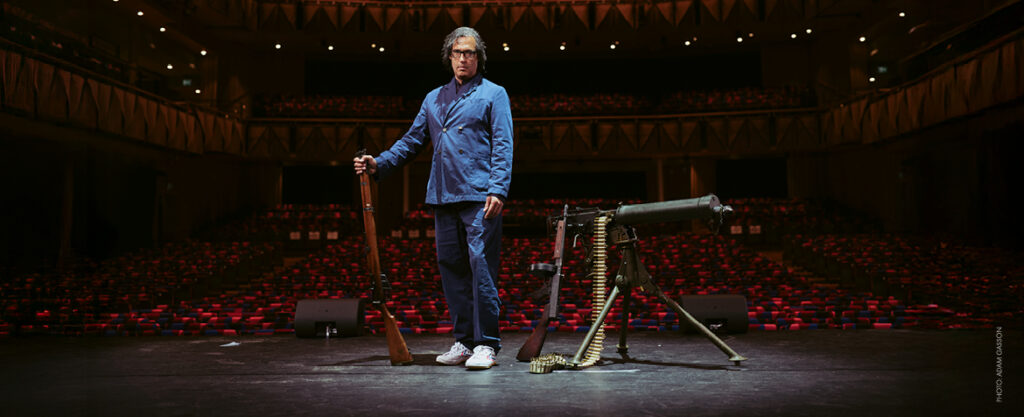
Have you ever considered how a single weapon could change the course of history? What stories lie behind the guns that shaped empires, wars, and even criminal underworlds? How did these firearms influence not just battles, but entire societies? Known for his acclaimed documentaries Black and British: A Forgotten History and A House Through Time, David Olusoga offers remarkable storytelling in this powerful, unexpected and enlightening social narrative. Join David as he uncovers the story of four firearms that changed the world and the lives of our ancestors. The Thompson Sub-Machine Gun was the wonder weapon that was supposed to end to the slaughter of the First World War. But in the hands of the gangsters of Prohibition-era America it became the infamous ‘Tommy Gun’. The Maxim gun enabled Europeans to conquer Africa in the 1890s, but 20 years later it became one of the biggest killers in European history when deployed on the Western Front. It is still being used to considerable effect on the battlefields of Ukraine. The Brown Bess flintlock musket, standard issue to the British Army from the early 18th to mid-19th century, was famously used in conflicts from the American War of Independence to Waterloo, symbolising the height of British...